The Comprehensive Guide to Blue PCB Boards: Design, Advantages, and Applications
Introduction
Printed Circuit Boards (PCBs) are the backbone of modern electronics, providing mechanical support and electrical connections for components. Among the various types of PCBs, blue PCB boards have gained popularity due to their aesthetic appeal, readability, and functional advantages. This article explores the characteristics, benefits, manufacturing considerations, and applications of blue PCBs.
1. What is a Blue PCB Board?
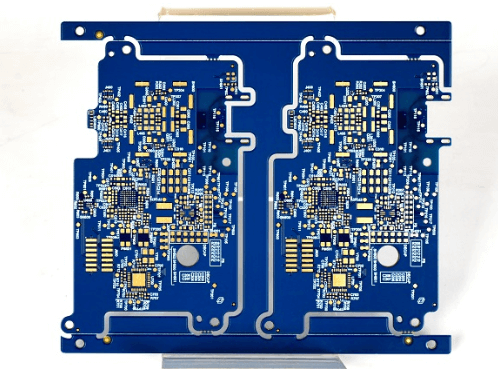
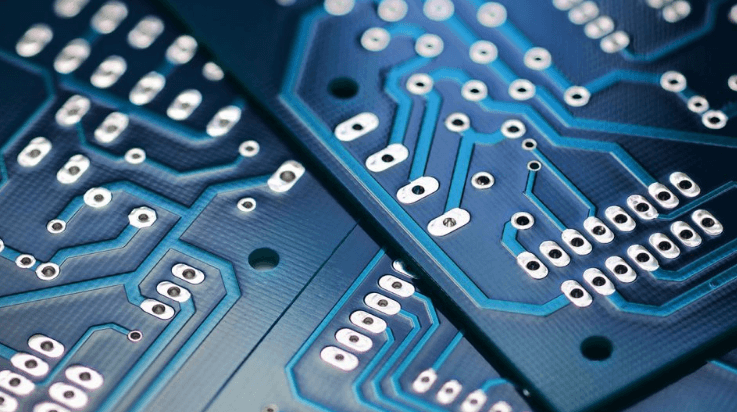
A blue PCB board is a printed circuit board that uses a blue solder mask instead of the traditional green. The solder mask is a protective layer applied over the copper traces to prevent oxidation, short circuits, and environmental damage. While green remains the most common color, blue PCBs offer distinct advantages in certain applications.
Composition of a Blue PCB
- Base Material: Typically FR-4 (a flame-retardant fiberglass epoxy laminate).
- Copper Layer: Conductive traces etched onto the substrate.
- Blue Solder Mask: A UV-cured epoxy layer that gives the PCB its blue color.
- Silkscreen: White or yellow markings for component labels and identifiers.
2. Advantages of Blue PCB Boards
2.1 Enhanced Readability
- The high contrast between blue solder mask and white silkscreen improves component labeling visibility, making debugging and assembly easier.
- Compared to green PCBs, blue provides better differentiation between traces and empty spaces.
2.2 Aesthetic and Branding Appeal
- Many manufacturers choose blue PCBs for consumer electronics to enhance visual appeal.
- Companies often use custom PCB colors (e.g., blue, black, or red) for branding purposes.
2.3 Reduced Eye Strain for Engineers
- Some engineers find that blue PCBs cause less eye fatigue during prolonged inspection compared to high-contrast green or red PCBs.
2.4 Thermal and UV Resistance
- High-quality blue solder masks offer good heat resistance, making them suitable for high-power applications.
- Some blue PCBs have UV-blocking properties, which can be beneficial in outdoor or high-exposure environments.
3. Manufacturing Considerations for Blue PCBs
3.1 Solder Mask Application
- The blue solder mask must be uniformly applied to avoid inconsistent coloration or poor adhesion.
- UV curing must be carefully controlled to prevent bubbling or peeling.
3.2 Inspection Challenges
- Automated Optical Inspection (AOI) systems are calibrated for green PCBs; blue PCBs may require adjustments in lighting and contrast settings.
- Some manufacturers use infrared or X-ray inspection for better accuracy.
3.3 Cost Implications
- While blue PCBs are not significantly more expensive than green ones, custom colors (e.g., matte blue or metallic finishes) can increase costs.
- Bulk orders typically reduce the price difference.
4. Applications of Blue PCB Boards
4.1 Consumer Electronics
- Gaming Consoles (PlayStation, Xbox accessories)
- Smartphones & Tablets (used in some internal PCBs for branding)
- LED Lighting Systems (blue PCBs are often used in LED drivers)
4.2 Industrial and Automotive Electronics
- Control Modules (blue PCBs improve readability in complex systems)
- Automotive Infotainment Systems (used for both functionality and aesthetics)
4.3 Prototyping and DIY Projects
- Hobbyists and engineers often use blue PCBs for custom projects due to their professional appearance.
- Arduino and Raspberry Pi shields sometimes feature blue PCBs for better visibility.
4.4 High-Frequency and RF Applications
- Some blue solder masks have low dielectric losses, making them suitable for RF (Radio Frequency) circuits.
5. Comparison with Other PCB Colors
| PCB Color | Advantages | Disadvantages |
|---|---|---|
| Green | Industry standard, low cost, best AOI compatibility | Common, less distinctive |
| Blue | High contrast, professional look, good readability | Slightly higher cost, AOI adjustments needed |
| Red | High visibility, aesthetic appeal | Lower contrast with silkscreen |
| Black | Sleek appearance, premium look | Traces harder to inspect |
| White | Clean look, good for LED applications | Shows dirt and scratches easily |
6. Future Trends in Blue PCB Technology
- Improved AOI Compatibility: Manufacturers are developing better inspection systems for non-green PCBs.
- Eco-Friendly Blue Solder Masks: New formulations with lower VOC emissions are being introduced.
- High-Speed Applications: Research is ongoing into blue PCBs optimized for 5G and millimeter-wave devices.
Conclusion
Blue PCB boards offer a unique combination of functionality, readability, and aesthetic appeal, making them a preferred choice for many industries. While green PCBs remain the standard, blue PCBs are gaining traction in consumer electronics, automotive systems, and high-frequency applications. As manufacturing techniques improve, we can expect even broader adoption of blue and other custom-colored PCBs in the future.
Whether for better visibility, branding, or thermal performance, blue PCBs are a compelling option for engineers and designers looking to enhance their electronic products.