Mastering BGA PCB Assembly: Techniques for Superior Circuit Design
Key Takeaways
In the realm of BGA PCB assembly, the journey to superior circuit design is marked by several essential elements. One of the foremost takeaways is the significance of understanding pcb assembly techniques that cater specifically to Ball Grid Array (BGA) technology. Proper pcba practices not only enhance connectivity but also reduce the risk of defects during the manufacturing process. Emphasizing a thorough grasp of essential best practices ensures that designers can optimize their layouts to prevent common pitfalls associated with BGA components.
Furthermore, troubleshooting common assembly issues is crucial in ensuring consistent quality. By identifying potential challenges early in the process, manufacturers can implement strategies that enhance reliability and performance. Additionally, exploring innovative methods for enhanced circuit performance opens up avenues for advancing designs beyond conventional standards, making it imperative for engineers to stay updated with industry trends and tools.
The choice of materials plays a pivotal role in effective BGA PCB assembly. Utilizing the right tools and technologies can substantially affect both the production efficiency and functional performance of a finished product. Finally, examining case studies of successful BGA PCB projects provides valuable insights into practices that yield optimal results, reinforcing the importance of continuous learning in this ever-evolving field. Embracing these key takeaways will not only facilitate better designs but will also sustain competitive advantages in BGA technology.
Introduction to BGA PCB Assembly Techniques
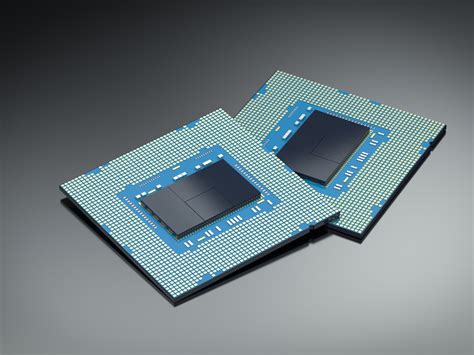
BGA (Ball Grid Array) PCB assembly is a critical aspect of modern electronics, enabling more compact and efficient circuit designs. Understanding the fundamentals of pcb assembly techniques is essential for achieving optimal performance in your projects. One primary technique in BGA assembly involves the use of precise placement and soldering methods to ensure that the solder balls align correctly with the pads on the printed circuit board (PCB). This alignment is crucial for electrical connectivity and overall reliability.
To enhance your BGA pcba, utilizing tools such as X-ray inspection can be invaluable. These tools help detect defects that might not be visible to the naked eye, allowing you to troubleshoot effectively before final assembly. Furthermore, best practices like controlled solder paste application and temperature profiling during reflow can significantly reduce instances of cold solder joints or bridging, which are common challenges in BGA assemblies.
“Emphasizing attention to detail during pcb assembly can save time and resources later on,” says a seasoned industry expert. Adopting methods such as automated optical inspection (AOI) not only ensures high-quality output but also establishes confidence in your production process.
Ultimately, mastering these BGA PCB assembly techniques will contribute to superior circuit functionality and longevity, equipping you with the skills necessary for success in today’s fast-paced electronics environment. As you delve deeper into this topic, remember that continuous learning and adaptation are vital in this ever-evolving field.
Essential Best Practices for BGA PCB Design
When it comes to BGA PCB assembly, adhering to essential best practices can significantly influence the performance and reliability of your circuit design. The first step is to focus on the design layout; ensuring that the pad sizes and pitches are appropriately calculated can markedly reduce assembly issues. It’s crucial to adhere to clearance guidelines and consider thermal management strategies, as Ball Grid Array (BGA) packages often dissipate heat more effectively than other types of packages. Utilizing via-in-pad techniques can help in achieving optimal routing while minimizing signal integrity concerns.
Moreover, the selection of materials plays a pivotal role in enhancing the overall efficiency of your PCBA. Using high-quality solder masks and paste can prevent issues like bridging and voids, which are common challenges in BGA assemblies. Implementing an effective inspection process is also a key best practice; techniques such as X-ray inspection can help in identifying potential defects that may not be visible through standard methods. Additionally, regular training and updates for your manufacturing team about the latest innovations in BGA technology will ensure that they are well-equipped with current knowledge and skills.
Finally, documentation should be maintained throughout each stage of the assembly process, allowing for easy tracking of modifications and quality assurance checks. By following these best practices diligently, you can achieve not only superior circuit designs but also increased longevity and performance in your BGA PCB projects.
Troubleshooting Common BGA Assembly Issues
When working on BGA PCB assembly, several common issues may arise that can affect the performance of the final product. One prevalent challenge is voiding in the solder joints, which can lead to thermal and electrical failures. To mitigate this, employing appropriate solder paste application techniques is critical. Ensuring a uniform thickness and appropriate volume will greatly reduce the likelihood of voids. Another challenge is misalignment, where the BGA packages do not sit correctly on the PCB during soldering. This misalignment often results from a lack of proper inspection during the assembly process. Thus, integrating a reliable inspection regime using automated optical inspection (AOI) systems can enhance accuracy in placement and detection of potential errors before soldering occurs. Furthermore, thermal profiles during reflow soldering can significantly impact joint quality; if not well optimized, it may lead to insufficient melting or overheating, causing damage to components. It’s recommended to carefully monitor the heating curves to ensure they align with material specifications while considering factors like board size and thickness. Ultimately, addressing these issues by understanding and implementing best practices in PCBA processes will enhance reliability and performance in achieving superior results in your BGA projects.
Innovative Methods for Enhanced Circuit Performance
In the realm of BGA PCB assembly, innovative methods play a crucial role in elevating circuit performance. One significant approach is the use of advanced thermal management techniques, which help in reducing heat buildup within the PCB assembly. By implementing thermal vias and strategically placing components, designers can effectively dissipate heat and prolong the lifespan of both components and the overall assembly.
Another method to consider is the integration of high-speed signal routing. This technique involves careful layout planning to minimize signal loss and electromagnetic interference, both of which are paramount for achieving optimal pcba performance in high-frequency applications. Tools like high-frequency simulation software can assist engineers in predicting potential issues during the design phase.
Utilizing automated optical inspection (AOI) systems during the assembly process also enhances reliability. These systems detect defects such as solder joint issues or misplaced components, ensuring that each BGA PCB is assembled to exact specifications.
Furthermore, leveraging flexible PCBs allows for more complex designs that save space while maintaining performance efficiency. The adaptability of these materials permits intricate circuit layouts that are essential for modern electronic devices.
In summary, adopting these innovative methods not only optimizes circuit performance but also ensures a more efficient and reliable pcb assembly process. Implementing such strategies will undoubtedly contribute to achieving superior outcomes in BGA PCB projects.
| Method | Benefits |
|---|---|
| Advanced Thermal Management | Reduces heat buildup |
| High-Speed Signal Routing | Minimizes signal loss |
| Automated Optical Inspection | Ensures defect-free assemblies |
| Flexible PCBs | Allows for intricate designs |
This holistic approach ensures that BGA PCB assemblies are not only efficient but also meet the growing demands of modern electronics.
Materials and Tools for Effective BGA PCB Assembly
Achieving successful BGA PCB assembly relies heavily on the selection and utilization of high-quality materials and tools. The primary component, the BGA (Ball Grid Array) package, necessitates careful handling to ensure reliable performance. When it comes to substrates, choosing the right type—such as FR-4 or Rogers materials—can significantly impact the overall functionality of the pcba. Additionally, incorporating thermal management materials like thermal pads or heat sinks is crucial to dissipate heat effectively in dense circuit designs.
In terms of tools, a precision soldering station with dual temperature controls allows for careful application of solder without damaging sensitive components. Utilizing a reflow oven ensures even heat distribution, which is vital for forming reliable solder joints in BGA assemblies. Moreover, an appropriate stencil printer is essential for applying solder paste accurately on the pads before component placement.
To monitor and verify each step, a high-resolution microscope can be a valuable asset for inspecting solder joint quality and alignment during assembly. Equipment such as an X-ray machine is also beneficial for examining hidden joint integrity post-assembly, ensuring that all connections maintain optimal electrical conductivity.
Overall, understanding the critical role that materials and tools play in effective BGA PCB assembly is vital for achieving superior performance in your projects. By thoughtfully selecting each component and utilizing precise tools, you can significantly enhance the reliability and functionality of your designs in any pcba project.
Case Studies: Successful BGA PCB Projects
In recent years, several innovative BGA PCB assembly projects have set benchmarks for efficiency and performance in the circuit design industry. One exemplary case is the development of a compact medical device that utilizes advanced PCBA techniques to ensure reliability under challenging operating conditions. This project integrated a multilayer PCB assembly with high-density interconnects, demonstrating how careful attention to BGA layout and thermal management can significantly extend the product’s lifespan. Additionally, another successful project in the automotive sector emphasized the importance of using high-quality materials and precision soldering methods to minimize defects during assembly. By focusing on consistent PCBA practices and implementing rigorous testing protocols, this project achieved remarkable performance under extreme environmental conditions. Each of these case studies highlights not only the significance of applying best practices in BGA PCB design, but also serves as an inspiring reminder of how innovative thinking can lead to groundbreaking advancements within the industry.
Future Trends in BGA PCB Technology
As the landscape of BGA PCB assembly evolves, emerging trends are set to redefine the expectations for pcba performance and efficiency. One notable trend is the increased adoption of automated processes in pcb assembly, which not only enhances precision but also significantly reduces production times and costs. Advanced technologies such as machine learning and artificial intelligence are being integrated into production lines, enabling real-time monitoring and quality control. Additionally, there is a growing emphasis on sustainability, with many manufacturers exploring eco-friendly materials and processes to minimize environmental impact. Innovations like flexible substrates are also gaining traction, providing improved design capabilities while facilitating greater circuit density in smaller form factors. These developments reflect a broader trend toward more complex and efficient BGA PCB designs that cater to the demands of modern applications, pushing the boundaries of functionality and performance in electronic devices. As these trends continue to unfold, staying abreast of new methodologies will be crucial for engineers and designers seeking to achieve superior results in their BGA PCB assembly projects.
Conclusion: Mastering BGA PCB Assembly for Optimal Results
In the realm of BGA PCB assembly, achieving optimal results requires a blend of established methodologies and innovative practices. This mastery not only enhances the durability and functionality of the final product but also streamlines the overall PCBA process. A thorough understanding of essential best practices plays a pivotal role in ensuring the successful integration of BGA components into your designs. By addressing common issues through effective troubleshooting strategies, designers can mitigate risks associated with PCB assembly and enhance circuit reliability. Furthermore, staying abreast of new technologies and materials can greatly improve performance metrics in today’s fast-paced industry. Emphasizing collaboration with skilled professionals and utilizing advanced tools will also aid in achieving superior outcomes, ultimately propelling your BGA PCB projects to new heights. As you refine these techniques, always remember that attention to detail in both design and assembly phases is crucial for unlocking unparalleled performance in your circuits.
Conclusion: Mastering BGA PCB Assembly for Optimal Results
In mastering BGA PCB assembly, the importance of understanding pcb assembly techniques cannot be overstated. To achieve optimal results, one must integrate essential best practices and troubleshooting methods consistently throughout the pcba process. This not only improves reliability but also enhances the overall performance of your circuit design. As we explore innovative methods for effective BGA PCB assembly, remember that utilizing the right materials and tools is equally critical. Case studies highlight successful projects that employ these techniques, providing invaluable insights into both common pitfalls and groundbreaking practices that can elevate your work. Looking to the future, trends in BGA technology indicate a continuous evolution that promises to further refine assembly techniques, making it imperative for professionals to stay informed and adaptable. Ultimately, focusing on these elements will set the foundation for achieving superior performance in your BGA PCB projects, ensuring longevity and operational efficiency in today’s demanding technological landscape.
FAQs
What is BGA PCB assembly?
BGA PCB assembly, or Ball Grid Array PCB Assembly, refers to a specialized method for mounting surface-mount technology (SMT) packages that have balls arranged in a grid pattern. This technique improves electrical performance and thermal conductivity in PCBs.
What are the essential techniques for BGA PCB assembly?
Key techniques for BGA assembly include proper pad design, careful solder paste application, accurate reflow profile, and thorough inspection. Each of these steps is crucial for achieving reliable connections and minimizing defects in the PCBA process.
How can I troubleshoot common BGA assembly issues?
Common issues such as solder bridging or open connections can often be resolved through meticulous inspection using X-ray imaging, adjusting the reflow temperatures, or improving your handling of components during assembly.
What materials are important for effective BGA PCB assembly?
Essential materials include high-quality solder paste, appropriate substrates, and reliable solder masks. These materials directly impact the overall performance and durability of your PCBA projects.
Are there innovative methods for enhancing circuit performance in BGA assemblies?
Yes! Innovations such as pre-baked components, advanced thermal management techniques, and automated optical inspection are transforming how we approach BGA PCB assemblies, leading to superior performance outcomes.
Where can I find more resources on PCB assembly?
For those looking to deepen their knowledge on PCBA techniques and best practices, please click here: https://www.andwinpcb.com/pcb-assembly/. This site offers a wealth of information about BGA PCB assembly, materials, and advanced methods.